Non-Functional Turf AB 1572
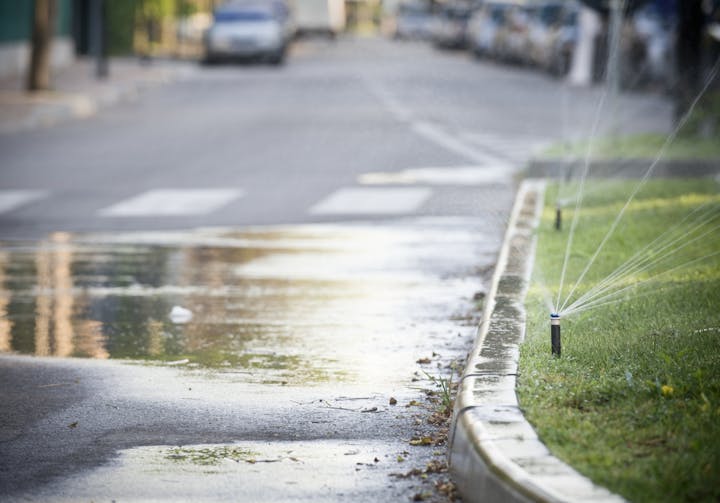
AB 1572 requires local water suppliers to adopt their own policies prohibiting potable water use on non-functional turf. District Ordinance No. 61 prohibits wasteful water use, including medians irrigated with potable water. An upcoming amendment to the ordinance will include all new guidelines surrounding AB 1572 and non-functional turf compliance.
Ordinance No. 61: An Ordinance Establishing Rules And Regulations Prohibiting Wasteful Use Of Water And Providing For EnforcementAssembly Bill 1572 - Full Bill Text
What is Non-Functional Turf (NFT)?
Non-functional turf refers to irrigated lawn that is ornamental and not regularly used for recreation or public gatherings. Some examples include:
- Decorative lawn along sidewalks, building edges, or fences
- Unused patches near signage or building entries
- Lawn in medians, roundabouts, parking lots, or entry signage zones
- Sloped lawn areas


What is functional turf? Lawn regularly used for organized sports, school activities, events, or other recreation is exempt.
Exempt turf areas include:
- Athletic fields
- School playfields
- Event lawns
- Golf course tees and greens (playing surfaces only)
- Pet exercise areas
- Playground areas within parks or schools
- Cemeteries and memorial lawn areas
- Community parks and game areas
Exemptions to AB 1572 protect:
- Tree and Plant Health: Water can still be used to maintain the health and viability of trees and other non-turf plants within landscapes, recognizing their ecological and aesthetic value.
- Health and Safety Risks: If ceasing irrigation would pose a direct risk to public health or safety (e.g., dust control, fire prevention in specific circumstances), exemptions may apply.
Do I need to remove my turf?
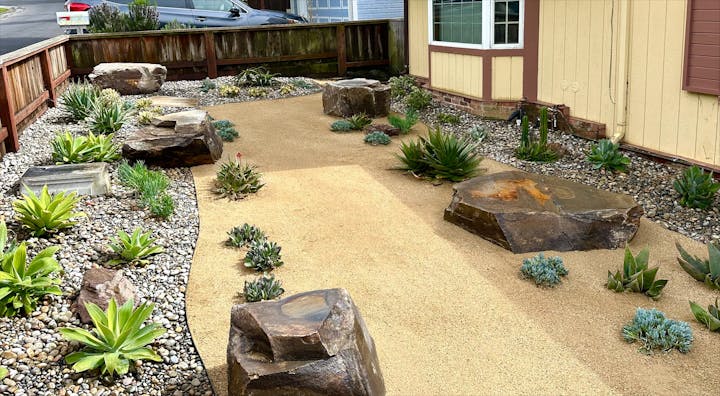
The regulation bans the irrigation of non-functional turfgrass (unless the irrigation system is using recycled water) and does not mandate turfgrass removal. However, replacing turfgrass with a waterwise landscape is one way to maintain green space on your property while complying with AB 1572.
When do customers need to comply?
Compliance Required January 2027
- Parks and Recreation Areas
- Public Utilities
- Military Bases
- Streets and Highways
- Libraries and Public Schools
- Government Buildings
- Court Houses
- Police and Fire Stations
Compliance Required Starting January 2027
- Public Elementary Schools
- Public Junior High Schools
- Public High Schools
Compliance Required January 2028
- Office Buildings
- Hotels
- Restaurants
- Religious Institutions and Schools
- Retail Spaces
- Gas Stations
- Banks
Compliance Required January 2029
- Parking lots
- Sidewalks
- Stairways
- Shared outdoor spaces
- Gardens
- Parks